People are seeing hundreds of ads every single day. Most of them look polished, scripted, and overly promotional. Because of this, users have become better at ignoring ads that feel too sales-focused.
This is exactly why user-generated content, also known as UGC, has become such a powerful marketing strategy. Brands that consistently generate high-performing content often rely on proven content growth strategies used by successful blogs.
UGC includes photos, reviews, videos, testimonials, social media posts, unboxing clips, and other content created by real customers instead of the brand itself. Unlike traditional advertising, this content feels more authentic because it shows actual experiences from real people.
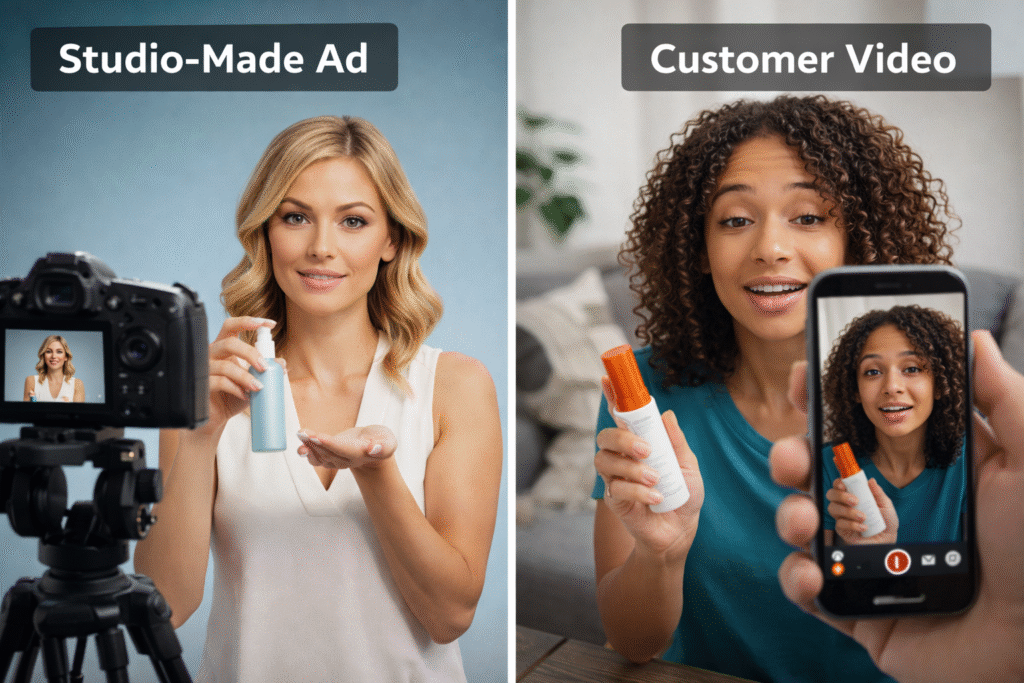
Today, many brands are using UGC in their paid ads because it often performs better than studio-made creatives. It grabs attention faster, builds trust, increases engagement, and improves conversions.
If you want to create ads that feel more relatable and believable, user-generated content can make a huge difference.
What Is User-Generated Content?
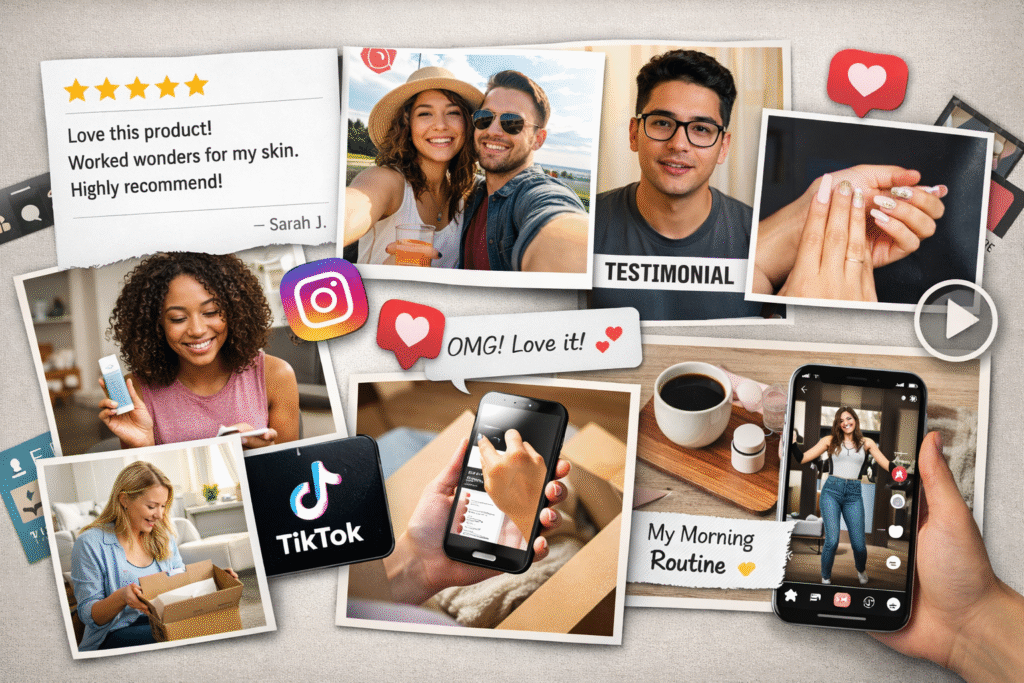
User-generated content is any type of content created by customers, followers, or users of a product or service.
This content can include:
- Customer reviews
- Product photos
- Video testimonials
- TikTok videos
- Instagram Reels
- Before-and-after images
- Unboxing videos
- Customer success stories
- Social media mentions
- Blog reviews
For example, if someone buys a skincare product and uploads a video sharing their results after 30 days, that video becomes UGC. If a customer tags a clothing brand in an Instagram story showing their new outfit, that is also UGC.
The biggest advantage of UGC is that it feels real. Instead of hearing a brand say their product is amazing, people can see other customers talking about their actual experience.
Why UGC Performs Better Than Traditional Ads
It Builds Trust Faster
People trust people more than they trust brands. When users see someone like them using a product and sharing honest feedback, it creates instant credibility.
Traditional ads usually focus on making everything look perfect. UGC, on the other hand, feels more genuine because it shows real people, real results, and real situations.
This is especially important for new customers who may not know much about a brand. Seeing reviews, testimonials, or customer videos can reduce doubt and make them feel more comfortable making a purchase.
It Feels More Authentic
Most people can quickly tell when an ad is heavily edited or scripted. While polished ads can still work, they sometimes feel too promotional.
UGC does not need expensive production, perfect lighting, or a professional setup. A simple smartphone video from a customer can often outperform a professionally made ad because it feels more honest.
That authenticity is what makes people stop scrolling and pay attention.
It Increases Engagement
UGC usually gets more likes, comments, shares, and saves compared to traditional ads.
People connect more with content that feels relatable. They are more likely to watch a customer review video or interact with a post showing a real experience than a generic sales message.
Platforms like TikTok, Instagram Reels, and Facebook are especially good for UGC because users are already used to seeing casual and personal content.
It Improves Conversion Rates
One of the biggest reasons brands use UGC in ads is because it can help increase conversions.
When potential buyers see proof that other people are happy with a product, they are more likely to trust it. This social proof reduces hesitation and helps move people closer to making a purchase.
For example, a customer testimonial saying, “This product solved my problem in just one week” can be much more convincing than a traditional ad headline.
Types of UGC That Work Best for Ads
Customer Review Videos
Video testimonials are one of the most effective forms of UGC.
A customer talking about their experience with a product can quickly build trust. These videos work well because they feel personal and believable.
For example, a customer explaining how a cleaning product removed stains easily or how a fitness program helped them lose weight can influence new buyers.
Product Demonstration Videos
These videos show how a product works in real life.
Instead of simply telling people about a product, demonstration videos let them see it in action. This helps answer common questions and gives users a better understanding of what they are buying.
Before-and-After Content
Before-and-after photos or videos work especially well for industries like beauty, fitness, cleaning, home improvement, and landscaping.
Seeing a visible transformation can make a product or service much more convincing.
Unboxing Videos
Unboxing content has become extremely popular, especially on TikTok, YouTube, and Instagram.
People enjoy seeing packaging, product details, and first impressions. This type of content creates excitement and helps customers imagine owning the product themselves.
Social Media Mentions
If customers are already tagging your brand in posts or stories, you can reuse that content in ads.
These posts often feel natural because they were not originally created as advertisements.
Customer Photos
Professional product photography is useful, but customer photos often feel more relatable.
Real-life images of customers using a product can make the ad look more natural and trustworthy.
How To Collect User-Generated Content

Ask Customers To Share Their Experience
One of the easiest ways to collect UGC is by simply asking customers to share photos, videos, or reviews.
You can send follow-up emails after a purchase asking them to show how they are using the product. To scale UGC creation and campaigns faster, many teams now use AI prompts for marketing workflows to generate ideas, scripts, and content variations.
Create a Branded Hashtag
A branded hashtag makes it easier for customers to share content and for your team to find it later.
For example, a clothing brand can encourage users to post their outfits using a custom hashtag.
Offer Rewards or Discounts
Many brands motivate customers to create content by offering discounts, giveaways, or loyalty points.
A small reward can encourage more users to share photos, reviews, or short videos.
Work With UGC Creators
UGC creators are different from influencers.
Instead of posting to large audiences, they create natural-looking content that brands can use in ads. These creators understand how to make videos feel authentic and relatable.
Run Contests and Challenges
Social media contests are another great way to collect content.
You can ask customers to upload photos or videos for a chance to win a prize. This not only generates content but also increases engagement.
Best Practices for Turning UGC Into High-Converting Ads
Use Strong Hooks
The first few seconds of an ad are extremely important.
Start with something that grabs attention immediately, such as:
- I was not expecting this result
- This product changed my routine completely
- Here is what happened after 7 days
- I wish I found this sooner
These hooks make people curious and encourage them to keep watching. To make your UGC ads more effective, it’s important to align them with how to perform keyword research for SEO and audience intent.
Keep Content Short
Short videos often perform better because people have short attention spans.
Try to keep UGC videos between 15 and 30 seconds whenever possible.
Add Captions
Many people watch videos without sound, especially on social media.
Adding captions helps viewers understand the message even if they are not listening.
Include a Clear Call-To-Action
Every ad should tell users what to do next.
Examples include:
- Shop now
- Learn more
- Try it today
- Get started
- Order yours now
Without a clear call-to-action, users may watch the content but never take the next step.
Test Different Creatives
Not every UGC ad will perform the same.
Some audiences may respond better to reviews, while others may prefer product demonstrations or before-and-after content.
Testing different styles can help you understand what works best.
Common Mistakes Brands Make With UGC Ads
Many brands use UGC incorrectly, which can reduce its effectiveness.
Some common mistakes include:
- Using customer content without permission
- Choosing low-quality visuals
- Making the content feel too scripted
- Ignoring captions or subtitles
- Using the same creative for too long
- Not matching the content with the target audience
UGC works best when it feels natural. If you try to make it look too much like a traditional ad, it can lose its authenticity.
Final Thoughts
UGC is no longer just a trend. It has become one of the most effective ways to create ads that feel trustworthy, relatable, and engaging.
People want proof before they buy something. They want to hear from real customers, see real experiences, and understand how a product works in everyday life.
Brands that use user-generated content in their ads can build stronger relationships with their audience and improve overall performance.
Instead of relying only on polished campaigns, businesses should start using customer reviews, photos, videos, and testimonials to create ads that convert better. As digital marketing evolves, combining authentic content with AI-driven search strategies will be key to staying visible across platforms.
In today’s market, authenticity matters more than perfection. That is exactly why UGC is king.